VR Training & Simulation

Prepare people for real-world decisions in a safe, repeatable environment

Some skills are difficult to teach through a presentation or video alone. People need to recognise a situation, make a decision and see how that decision plays out. Virtual reality (VR) can provide a controlled environment in which learners practise those moments before encountering them at work.

Optimance helps organisations design, produce and deploy immersive training and simulation experiences. We combine learning objectives, scenario design, production and technology so the experience supports a defined operational need—not just a demonstration of new technology.
When is VR training a good fit?

VR is worth considering when learners need to practise decisions, responses or procedures in situations that are dangerous, expensive, disruptive, difficult to stage consistently or hard to access. Examples include situational awareness, workplace health and safety, security interactions, emergency response, equipment familiarisation and customer-facing scenarios.
VR is not automatically the best option for every topic. A short video, facilitated workshop or conventional e-learning module may be more efficient when the objective is simply to communicate information. The right approach starts with the learning outcome and the environment in which the skill will be used. We tailor our approach to best achieve your business outcomes.

From learning objective to deployed experience

1

Discover and design

We work with your subject-matter experts to identify the decisions learners need to make, the behaviours to practise and how success should be assessed.
2

Create the experience

Depending on the brief, we can develop filmed 360-degree scenarios, interactive VR modules, 3D environments, visual overlays and decision points. The design should reflect the real context without introducing unnecessary complexity
3

Integrate and deploy

We consider devices, learner access, facilitation, content updates and integration with a learning management system (LMS), where appropriate. Optimance can also support deployment and device management.
4

Evaluate and improve

Agree success measures before production. These may include completion, decision accuracy, confidence, time to competency, trainer observations or operational indicators. The appropriate measures depend on the training objective.
Case Study

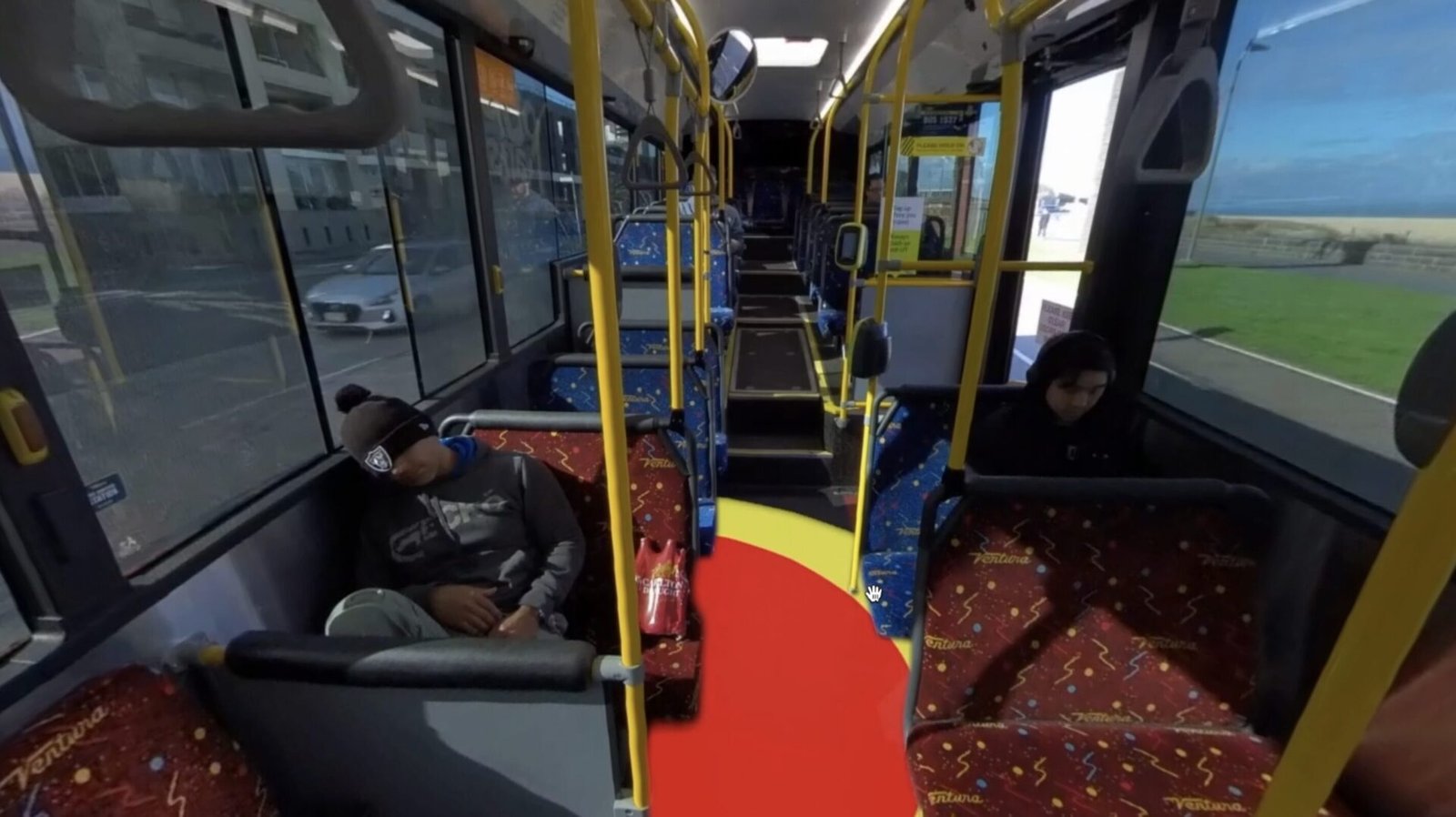
Optimance developed six interactive VR training modules with Wilson Security to help security guards practise its Safe Approach System in realistic situations without exposing trainees to the risks of live incidents. The modules used filmed scenarios, talent, locations and graphical overlays, and were deployed nationally with more than 30 headsets.  See Portfolio.

This project demonstrates how scenario-based VR can be designed around a client’s specific procedures and deployed beyond a single demonstration.

What affects project scope and cost?

The main factors are the number and length of scenarios, filmed versus computer-generated content, interaction complexity, assessment requirements, languages, LMS integration, device choice, content maintenance and rollout scale. We recommend scoping these elements before estimating the investment rather than quoting a misleading one-size-fits-all price.

Is VR right for your organisation?

Optimance can help you assess the use case, build a business case, prototype an experience and plan production and deployment. If you already have training material, procedures or video, we can discuss how much can be reused.

Next Steps

Tell us what people need to learn, who needs the training and where it will be delivered. We’ll help identify a practical next step

Discuss a VR Training Project

Our Services

Web and Interactive 3D
WebAR and Interactive 3D experiences
Spatial + Enterprise XR
Development for scale
3D visualisation + Digital twins
Real-life simlations
Education & Cultural heritage
Immersive learning experiences