
Immersive Learning

Help learners explore objects, places and stories in new ways

Museums, schools and cultural organisations hold knowledge that can be difficult to convey through text panels or static images alone. Interactive 3D, augmented reality and virtual reality can give learners another way to examine an object, explore a place or make decisions within a story.

Optimance develops immersive and interactive experiences that connect digital content with learning and visitor objectives. Projects can include digitised artefacts, 3D visualisation, browser-based AR, guided interactions and VR environments. The right format depends on the audience, learning goals, setting and available devices.
Applications for museums and heritage organisations

  • Let visitors inspect a digitised artefact from different angles.
  • Add audio, images, labels and video to a 3D object.
  • Reconstruct or interpret a place that is inaccessible or has changed over time, clearly distinguishing historical evidence from artistic interpretation.
  • Build an interactive exhibition or online collection.
  • Extend an on-site experience through a QR code or web link.
  • Create accessible learning resources that can be revisited after a visit.

Applications for schools and education

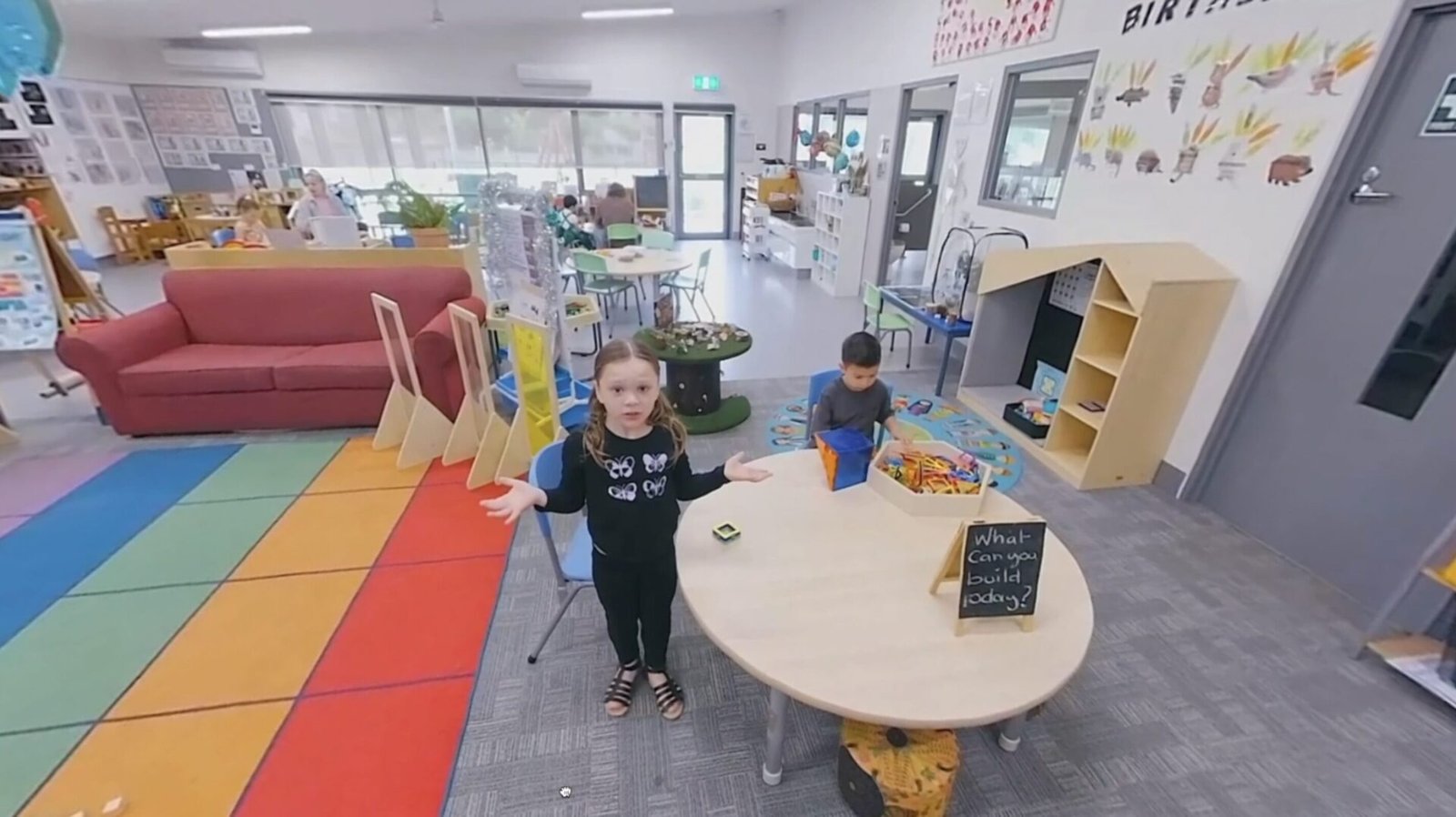
  • Immersive learning can support inquiry, spatial understanding, procedural practice and discussion. For example, students might inspect a historical object, identify details, listen to an oral history and compare interpretations. A well-designed activity includes a clear learning objective and prompts that help students connect the experience to the curriculum.
  • Technology should support teaching rather than replace it. A headset experience may be valuable for a specific activity, while tablets or a browser-based experience may be easier to manage for a whole class. Accessibility, screen time, supervision, device availability and teacher preparation all matter.

Design around learning outcomes

Create the experience

Develop the 3D assets and interaction, keeping navigation clear and content appropriate for the audience.

Define the outcome

Identify what learners should know, notice, explain or do after the experience.

Select the content

Work with educators, curators and subject-matter experts to choose the objects, stories and evidence. For cultural heritage, rights, provenance, cultural protocols and permissions should be agreed before digitisation or publication.

Test with users

Check that learners can operate the experience, understand the instructions and complete the intended task. Test in the actual environment and on the intended devices.

Evaluate and improve

Use teacher or curator feedback, task completion, learner explanations and other suitable measures to assess whether the experience is meeting its purpose
Case Study

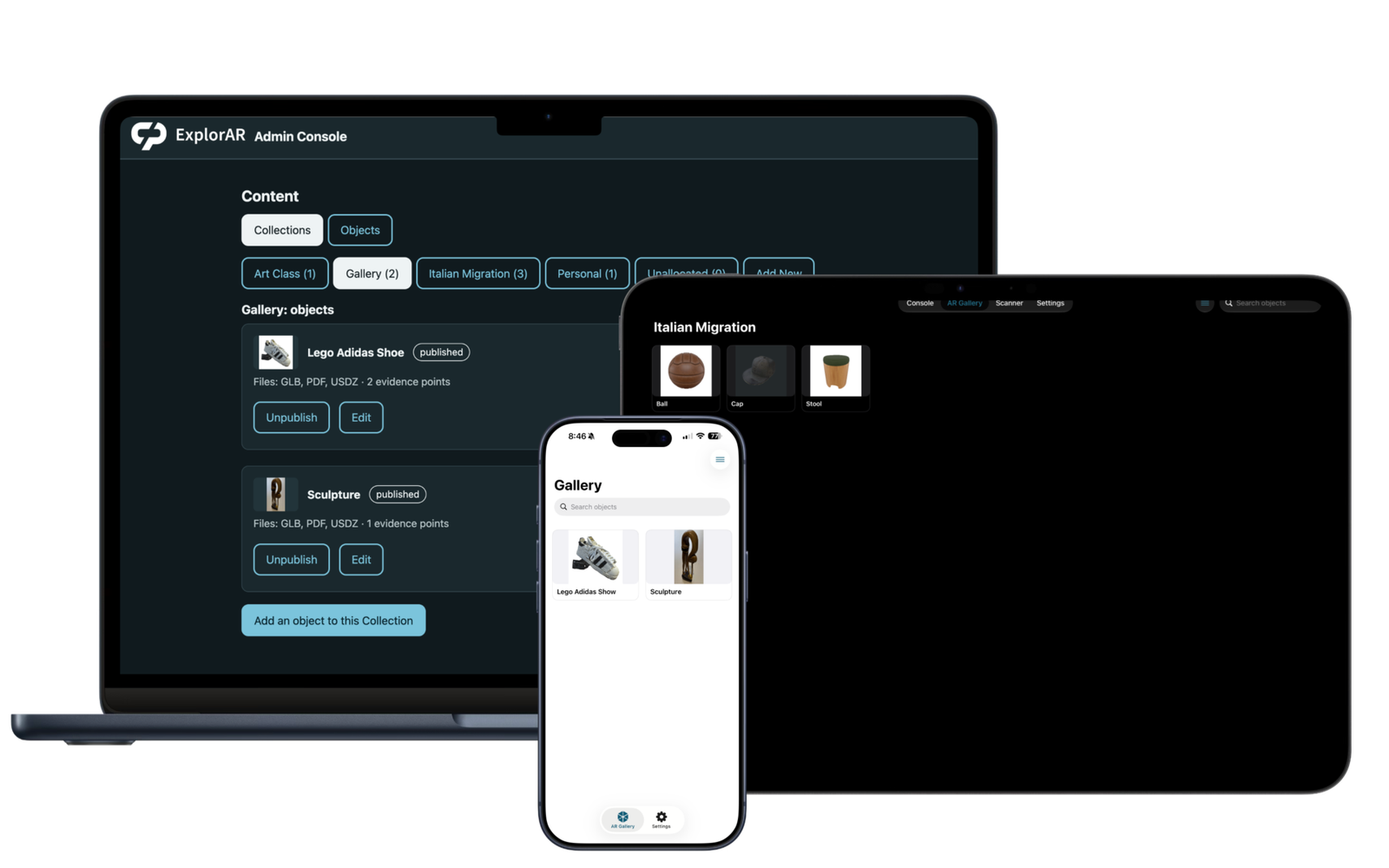
ExplorAR is an augmented reality platform from Optimance that lets students explore real museum artefacts as interactive 3D models in their classroom. Cultural institutions and schools can capture objects with the built-in scanner, organise them into curated collections, and share them with students on iOS, Android and the web. Each school sees only the collections it subscribes to.

A relevant project context

Optimance’s immersive capabilities include AR application development, 3D asset digitisation and interactive experiences. For any new education or heritage project, the content, learning objectives, curriculum alignment and evaluation plan should be agreed with the client rather than assumed from the technology alone.

Bring an object, place or story to life

Whether you have a collection of artefacts, a curriculum objective or an exhibition concept, Optimance can help assess the content and select an appropriate immersive format.

Next Steps

Tell us what people need to learn, who needs the training and where it will be delivered. We’ll help identify a practical next step

Discuss an immersive learning project

Our Services

VR Training & Simulation
Real world situation awareness and simulations
Web & Interactive 3D
WebAR and interactive 3D experiences
3D visualisation + Digital twins
Real-life simulations
Spatial + Enterprise XR
Development for scale